How to Perform a Proper Site Survey Before Demolishing a Suite
How to Perform a Proper Site Survey Before Demolishing a Suite When preparing to demo an office suite, warehouse bay, or commercial space, a thorough pre‑demo survey is one of t...
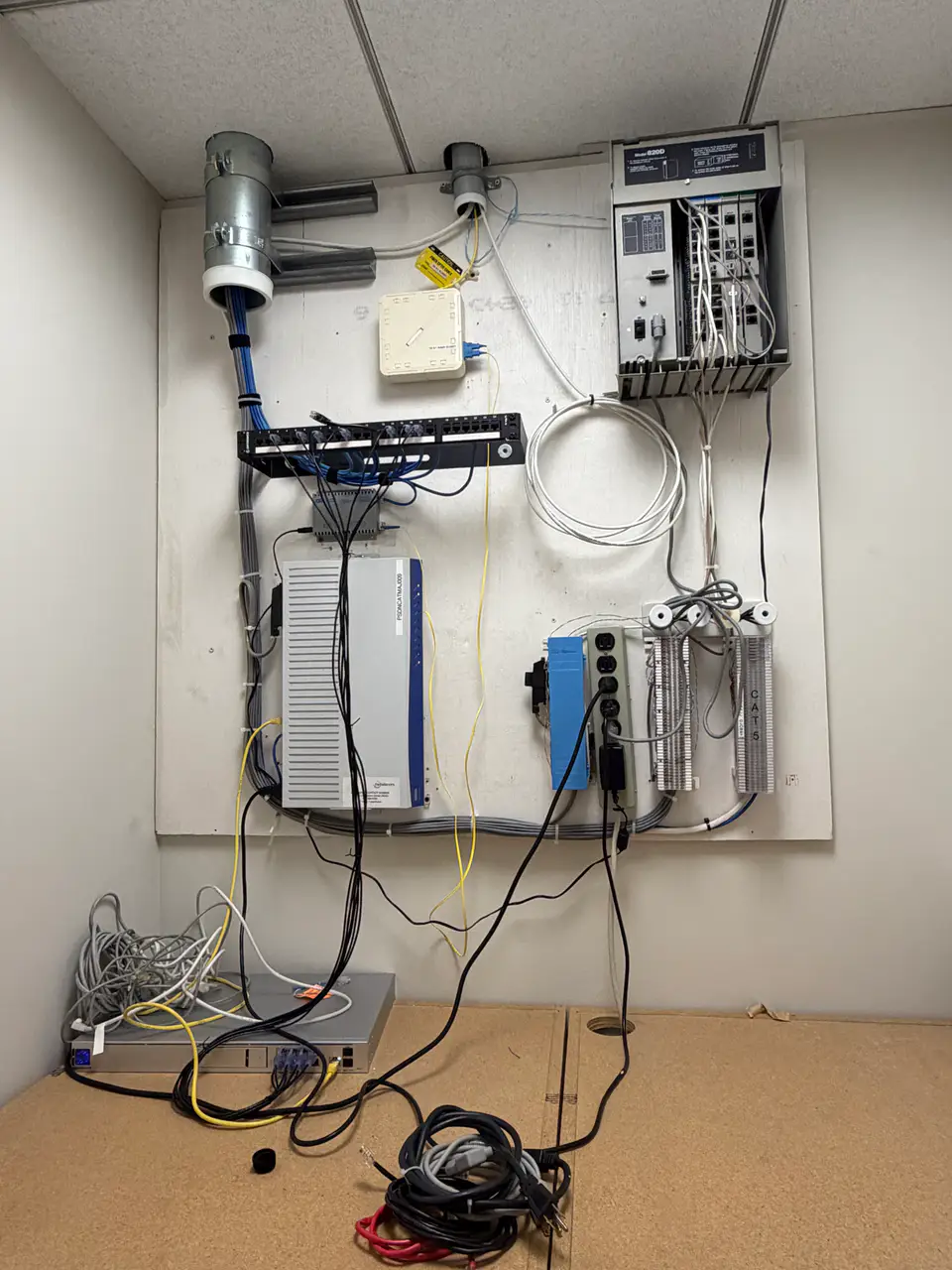
When preparing to demo an office suite, warehouse bay, or commercial space, a thorough pre‑demo survey is one of the most important steps you can take. It protects your project timeline, prevents unexpected costs, and ensures that all low‑voltage, electrical, and telecom infrastructure is properly identified before demolition begins.
Whether you're a contractor, MSP, or property manager, here’s a clear, professional walkthrough of how to perform a survey the right way.
1. Start With the Scope of Work
Before stepping into the suite, confirm:
What areas will be demolished
What infrastructure must remain
What needs to be relocated, removed, or protected
Whether the client requires documentation for future build‑outs
This ensures you’re surveying with purpose — not guessing.
2. Identify All Low‑Voltage and Telecom Infrastructure
During a pre‑demo survey, low‑voltage systems are often the most overlooked. Document:
Network cabling (Cat5e, Cat6, fiber)
Patch panels and racks
Wi‑Fi access points
Security cameras
Door access control wiring
Alarm system wiring
VoIP phones and cabling
Demarcation points (MPOE, MPOP, IDF, MDF)
Take photos of everything. Label what stays and what goes.
3. Locate the Demarc and Carrier Equipment
This is critical for MSPs and telecom‑focused contractors.
Confirm:
Where the ISP demarc is located
Whether circuits pass through the suite being demolished
If any equipment needs to be powered down, relocated, or protected
Whether the suite contains shared building infrastructure
If you’re unsure, contact the carrier with circuit IDs before demo day.
4. Document Electrical and Power Dependencies
Demo crews often cut power without realizing what’s connected.
Check for:
Dedicated circuits feeding network racks
UPS units
Power strips or PDUs
Security system power supplies
Door strike transformers
Camera PoE injectors or switches
Mark any circuits that must remain energized.
5. Map Out Ceiling and Wall Infrastructure
Most hidden infrastructure lives above the ceiling grid or inside walls.
Inspect:
Cable trays
Conduits
Junction boxes
Speaker wiring
HVAC sensors
Fire alarm devices
Any cabling that passes through the suite to another tenant
If something is shared, it cannot be demoed.
6. Capture Measurements and Layout Details
Record:
Room dimensions
Rack locations
Conduit entry points
Ceiling height
Pathways for future cabling
This helps with future build‑outs and prevents rework.
7. Create a Pre‑Demo Report
Your final deliverable should include:
Photos
Notes
Infrastructure map
“Keep vs. Remove” list
Risks or dependencies
Recommendations for relocation or protection
This report protects you, the client, and the demo crew.
8. Communicate With All Stakeholders
Before demolition begins, ensure:
The client has reviewed the findings
The GC understands what must remain
The demo crew has clear instructions
Any required shutdowns are scheduled
Carriers are notified if circuits need to be moved
Clear communication prevents expensive mistakes.