The Essential Role of API Gateways in Modern Cloud Networks
A technical deep dive into why an API Gateway is non-negotiable for secure, scalable cloud service mesh architectures.
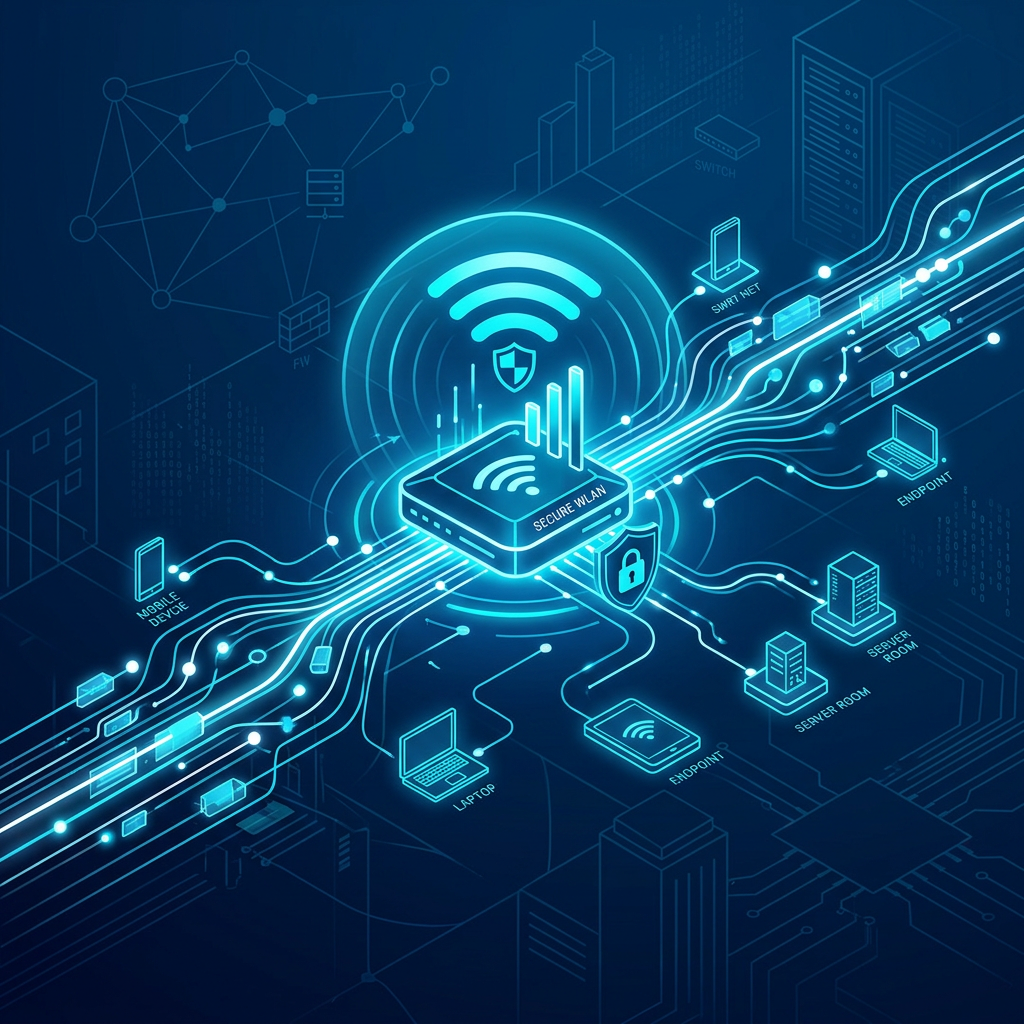
Every modern enterprise network is built on microservices—small, specialized components that handle single business functions. While modularity provides immense flexibility and resilience (the 'microservice' pattern), it introduces a major complexity challenge: **how do you expose these services securely and manage their interactions without creating a tangled mess of direct connections?**
Why The API Gateway Is Non-Negotiable
The answer is the **API Gateway**. It acts as a single, secure entry point—the front door to your entire application mesh. Instead of clients needing to know the specific IP addresses, port numbers, and authentication schema for 15 different microservices (Authentication Service, User Profile DB Connector, Payment Processor, etc.), they only need one address: the Gateway.
What It Handles (The Core Pillars)
- \n
- • Authentication & Authorization:*** The gateway intercepts *every* request and validates the JWT token, ensuring the client is who they say are and has permission to access that specific resource. This centralizes security policy enforcement, preventing individual microservices from becoming weak points. \n
- • Rate Limiting & Throttling: It protects your backend services from being overwhelmed by malicious or runaway clients, ensuring service uptime and predictability for all users—a core requirement of any professional managed network. \n
- • Request Transformation (Schema Mapping): Different client versions might send slightly different data payloads. The gateway can normalize these incoming requests into a single, predictable format that the backend services expect, abstracting away version drift and incompatibility issues. \n
The Architecture of Trust
A proper architecture is not just about connecting boxes; it's about building layers of trust. The Gateway sits at the edge (protected by WAF/CDN), validates identity (via Auth Service), and then routes the clean, authorized request to the appropriate backend service, all while maintaining visibility into every hop.
The best network design is one where security checks are performed at the perimeter and services only communicate using validated, structured APIs. Never expose a microservice directly to the internet.
Common Mistake: Service-to-Service Communication
Many organizations fail by treating their internal network as implicitly secure. They assume that if one service talks to another within the same VPC, it is safe. This is dangerous. Even internal communication must be authenticated and authorized at the service mesh level, which the API Gateway pattern helps enforce or observe.
How SkaiCloud Network Solves It
We implement this entire architecture as a managed, zero-trust solution. Our Gateways are provisioned with built-in rate limiting, multi-factor API key support, and automated compliance checks, allowing your development team to focus purely on innovation while we manage the complexities of security and scalability.
Next Step
Review our documentation on **API Gateway Design Blueprints** to see how we can build this secure entry point for your specific services. Let's start by auditing your current service inventory!