The Backbone Blueprint: Selecting Infrastructure That Defines Your Future (Fiber vs. Copper)
A detailed, architectural comparison of fiber and copper cabling, using modern luxury design concepts to guide your selection process for mission-critical network backbones.
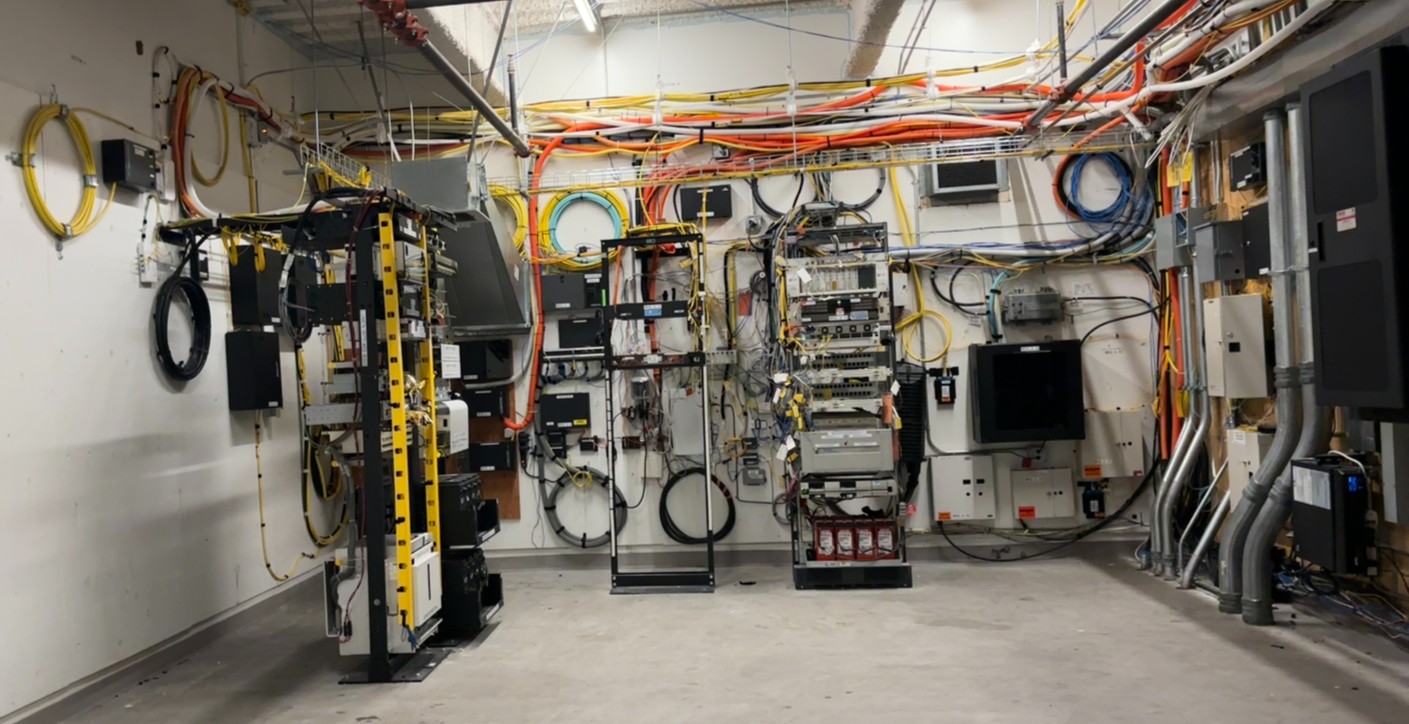
In modern design—whether architectural or digital—the foundational elements dictate the quality of every feature that follows. When planning a network backbone, the cable choice is not merely a technical decision; it is an architectural one. It defines the limits of scalability, performance, and longevity for years to come.
The Core Principle: Unobstructed View
When reviewing high-end modern architecture (like minimalist villas), the most striking element is the sense of an 'unobstructed view.' In networking, this concept translates directly to signal purity and limitless scalability. The backbone cabling must be able to carry data with minimal degradation over its intended life cycle.
Fiber Optic Cable (The Perfect View)
Fiber optics transmit data using light pulses through strands of glass. This technology embodies the principles of modern luxury design:
- Unobstructed Signal Path (Signal Purity): Light signals are immune to Electromagnetic Interference (EMI) and crosstalk, ensuring a clean signal path that is entirely reliable, even in electrically noisy industrial environments.
- Infinite Scalability: Since the capacity is limited only by the laser and receiver technology (not the glass core), fiber can scale bandwidth from 1Gbps to multiple Tbps simply by upgrading optics, without laying new physical cable. This guarantees future-proofing—the infrastructure will support your growth for decades.
- Distance & Immunity: Fiber signals maintain integrity over massive distances and are impervious to environmental electrical noise (EMI/RFI), making it the ideal choice for campus or metropolitan backbones.
Copper Twisted-Pair Cable (The Reliable Foundation)
Copper remains a robust, foundational technology. It is excellent and cost-effective for specific local applications:
- Last Mile Efficiency (Short Runs): For short connections within a single room or desk cluster (the 'last mile'), Cat6A/Cat8 copper provides excellent, reliable performance at a lower material and installation cost.
- Simplicity & Power: Copper is simple to terminate, test with readily available tools, and can carry both data and electrical power (PoE), making it unmatched for localized device connectivity (e.g., IP cameras, access points).
The Strategic Conclusion: A Hybrid Architecture
No single medium is perfect; the best solution is always a hybrid architecture. This mirrors expert modern construction, where structural steel (reliability) supports glass and wood accents (aesthetics/function). The network backbone should be engineered like this:
- Primary Backbone (The Core): Always use Fiber Optics. This is the high-capacity, scalable "artery" connecting major building nodes and serving as the primary link to external services.
- Secondary Connections (The Detail): Use Copper Twisted Pair for localized, short-run connections (e.g., desk drops, PoE security cameras) where cost or physical constraints are paramount.
The key takeaway is this: Plan for the future by making your core backbone fiber, and use copper where its unique strengths (cost, power delivery) provide unmatched efficiency. This strategic integration is what defines true network mastery.
Next Steps for SkaiCloud Network
Our team recommends performing a comprehensive site survey that maps out all potential backbone paths. We will use our expert planning tools to design this hybrid architecture blueprint, ensuring every connection is optimally selected and documented before the first cable is pulled.