UPS Protection for Network Equipment: How to Design Through the First Power Failure
A UPS is only useful when its capacity, runtime, shutdown behavior, and maintenance plan match the network equipment it protects.
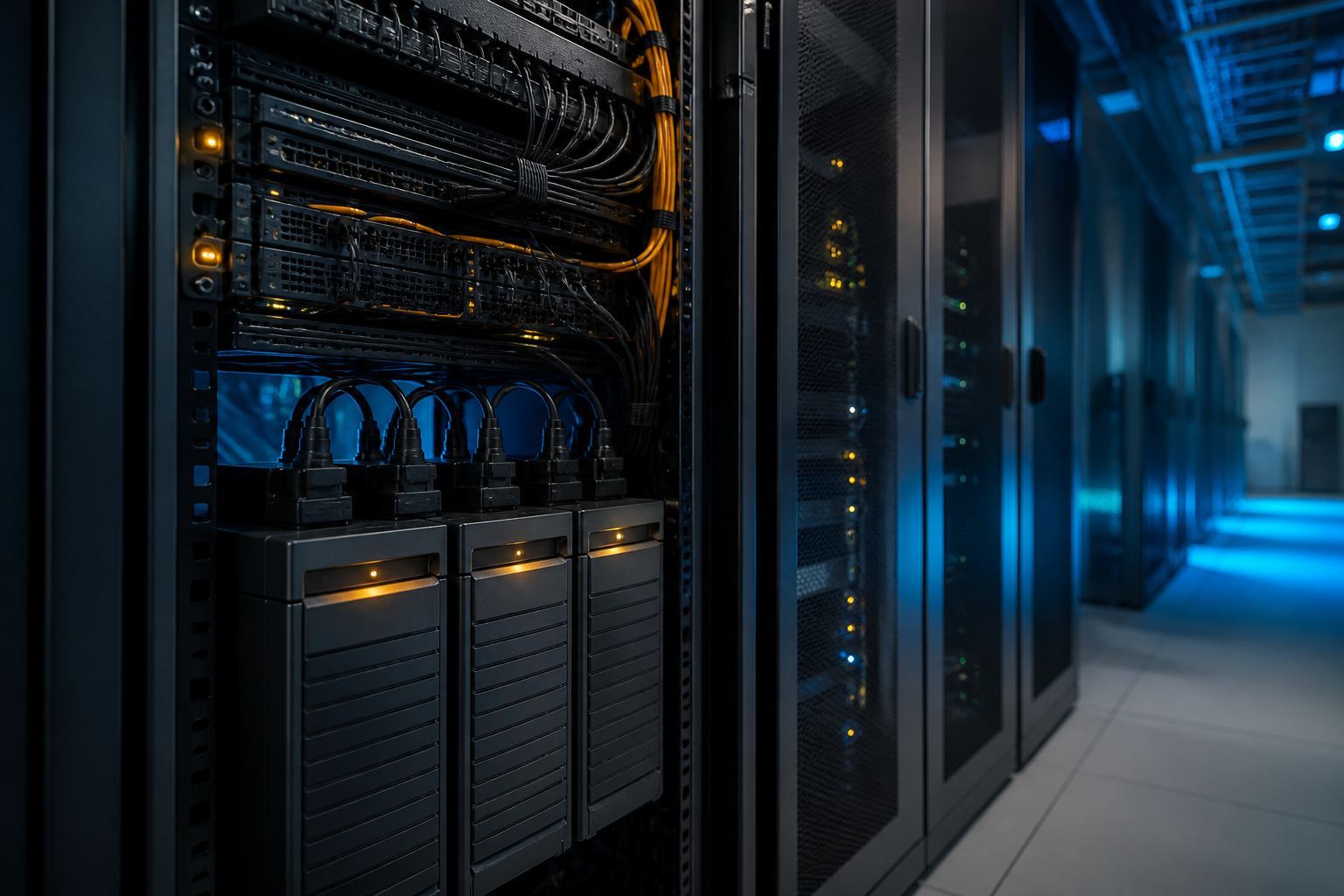
Power protection is often treated as a rack accessory until a short outage takes down the network, corrupts equipment, or leaves critical systems unavailable after power returns.
Why UPS Design Matters
Network switches, firewalls, access points, cameras, and communications equipment do not all have the same power draw or recovery behavior. The UPS must be designed around the actual load and the business requirement.
Four Design Checks
- Calculate the load: measure or document the wattage and growth allowance instead of sizing by rack space alone.
- Set the runtime target: distinguish between ride-through for brief events and enough runtime for an orderly shutdown or generator transition.
- Protect the full path: include upstream circuits, network closets, internet equipment, and critical edge devices where the workflow depends on them.
- Plan maintenance: track battery age, test alarms, verify monitoring, and document replacement responsibilities.
Common Mistakes
Adding a larger battery does not correct an overloaded circuit, poor ventilation, or equipment that is connected outside the protected path. A power assessment should follow the service from source to endpoint.
Power resilience is a system property, not a single box in a rack.
How SkaiCloud Network Helps
SkaiCloud Network can assess network-room power, UPS sizing, rack layout, monitoring, and shutdown dependencies as part of a broader infrastructure plan.
Final Thoughts
Document what must stay online, for how long, and what should shut down first. Contact SkaiCloud Network to review your network power protection.