Why Your Business Structured Cabling Is the Foundation of Everything IT
Most business owners never think about the cables running behind their walls until something goes wrong. A poorly designed cabling infrastructure quietly drags down your network speed, reliability, and scalability every single day. Here is what SMBs need to know before their wiring becomes a serious business liability.
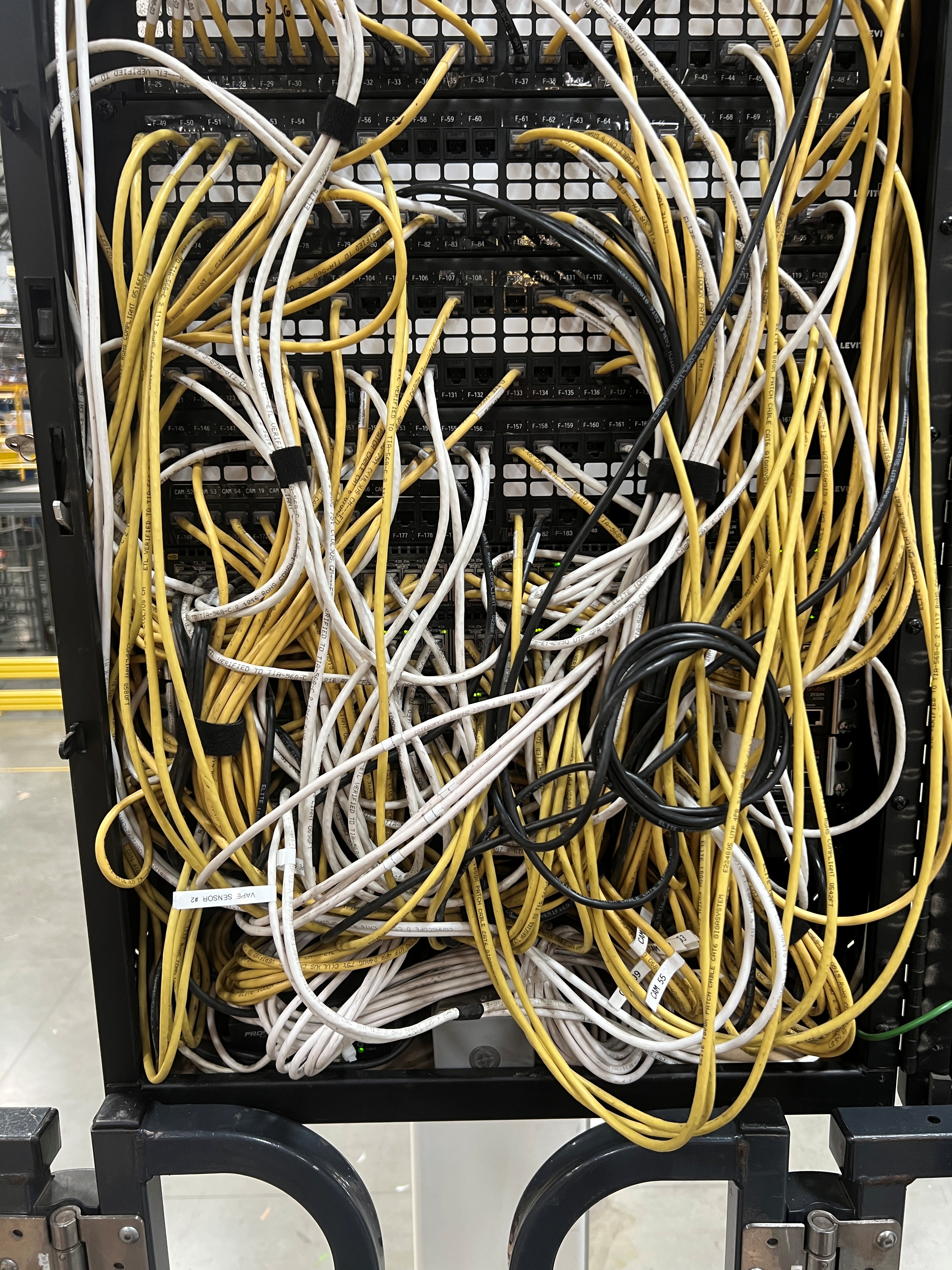
When business owners think about IT infrastructure, they usually picture servers, firewalls, or Wi-Fi routers. What rarely comes to mind is the structured cabling system running through the walls of their building. Yet that physical layer is the backbone of every digital operation your business runs.
What Is Structured Cabling and Why Should You Care?
Structured cabling is a standardized system of cabling and hardware providing a comprehensive telecommunications infrastructure. It is organized, labeled, and designed to support data, voice, video, and building management systems.
- Serves as the physical network all your devices depend on
- A well-designed system can last 10 to 15 years supporting multiple hardware upgrades
- Industry standards TIA-568 and ISO/IEC 11801 define performance benchmarks that protect your investment
The Hidden Cost of Poor Cabling
Many SMBs inherit cabling installed piecemeal with no documentation and no standards. This approach has real business consequences.
- Unexplained slowdowns from signal interference no software update can fix
- Frequent downtime from loose connections and unlabeled runs
- Higher IT labor costs tracing cables instead of solving problems
- Scalability headaches when adding workstations or access points
Cat6 vs Cat6A Choosing the Right Cable
The category rating of your cable determines how much data it can carry at what speed and over what distance.
- Cat6 supports 1 Gbps up to 100 meters and 10 Gbps up to 55 meters
- Cat6A supports 10 Gbps across the full 100-meter run and is recommended for new installations
- Fiber optic is best for backbone runs delivering massive bandwidth with zero interference
Cable Management and Documentation
Installation quality is only half the equation. How your cabling is organized and documented determines whether your IT environment is manageable for years to come.
- Label every cable port and patch panel at both ends
- Properly route and bundle cables to reduce interference and improve airflow
- Maintain as-built documentation showing every run and connection
- Test and certify every run with a cable certifier
When to Audit or Upgrade Your Cabling
Your cabling may be overdue for a professional review if any of the following apply.
- Your office was wired more than 10 years ago
- You have added employees or locations without a structured cabling plan
- You are experiencing frequent network drops or inconsistent speeds
- You are planning a move renovation or significant technology upgrade
Why Professional Installation Matters
Proper installation requires knowledge of building codes fire-rating requirements bend radius limits grounding standards and termination techniques. A cable that looks fine can still fail certification if installed improperly.
- Licensed contractors carry liability insurance protecting your business
- Certified installers follow BICSI and TIA standards keeping warranties valid
- Professional installers provide certified test results for compliance and insurance
Final Thoughts
Structured cabling is not exciting until it fails. Then it is the only thing that matters. For SMBs building a reliable scalable and future-ready IT environment investing in properly designed cabling infrastructure is one of the smartest decisions you can make. At SkaiCloud Network we specialize in designing and installing structured cabling systems for businesses across all industries. Contact SkaiCloud Network today and let us build your foundation right.