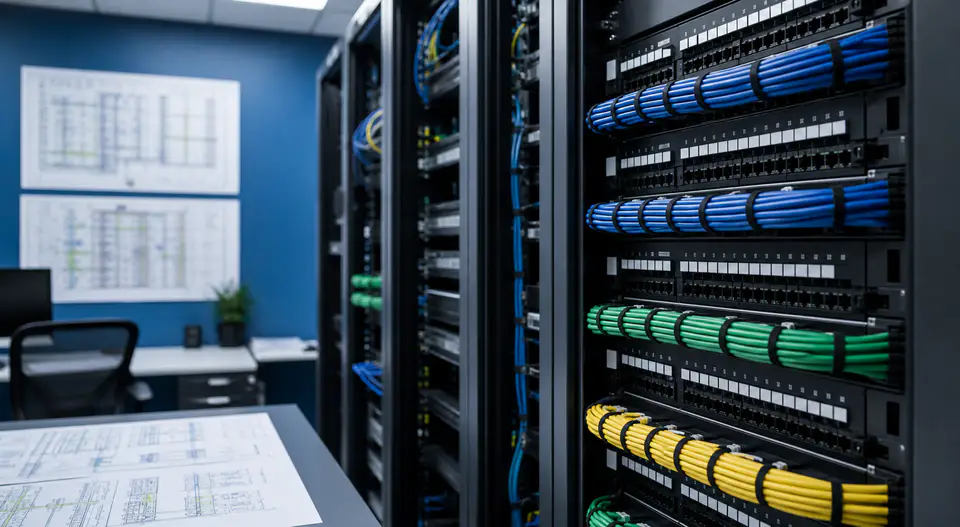
Network Documentation Is a Business Continuity Control
A practical guide to using MDF and IDF records, port maps, device inventories, and tested diagrams to reduce downtime and make network recovery predictable.
Read PostSkaiCloud Network Blog

Practical posts on managed IT, cloud, network infrastructure, security, low-voltage cabling, AI automation, and operational discipline.
A practical guide to using MDF and IDF records, port maps, device inventories, and tested diagrams to reduce downtime and make network recovery predictable.
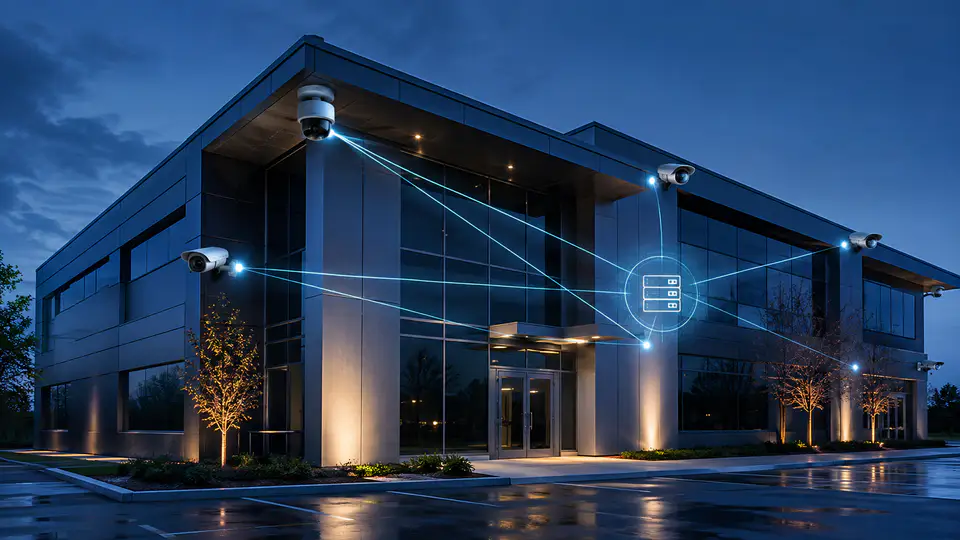
Read PostCamera retention requirements depend on resolution, frame rate, motion, storage architecture, and the investigation window the business actually needs—not simply the number of cameras.
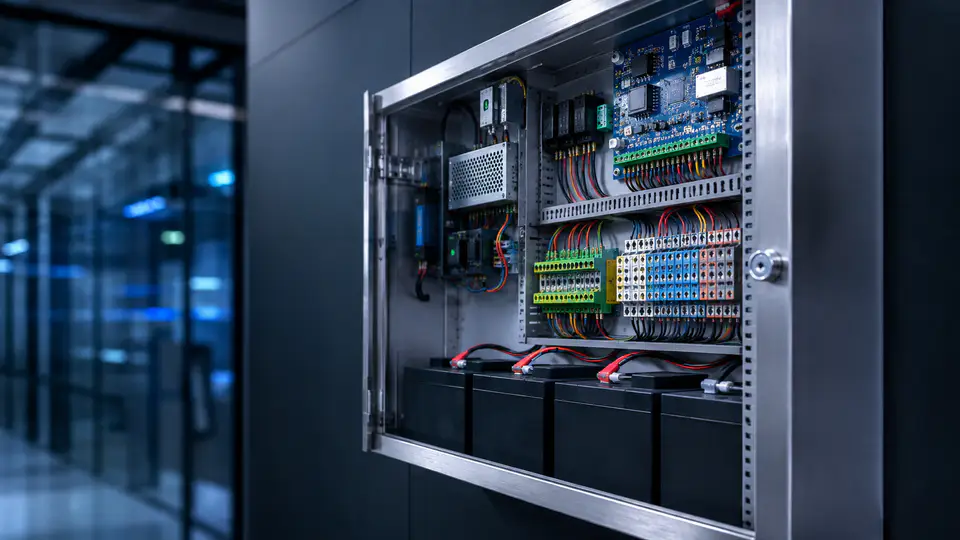
Read PostAccess control reliability depends on more than readers and software. Power supplies, backup batteries, locks, wiring, and maintenance records all determine whether doors operate during an outage.
Read PostStarlink can strengthen business continuity, but only when routing, power, mounting, traffic priorities, and failover behavior are tested as a complete system.
Read PostLow-voltage rework often starts with coordination gaps before installation begins. These five decisions help align pathways, devices, racks, power, and documentation before the first cable is pulled.
Read PostNetwork equipment can fail early when heat, airflow, dust, and power density are ignored. Use these five checks to keep a network closet within a reliable operating range.
Read PostA reliable patch process combines inventory, risk-based prioritization, testing, maintenance windows, and recovery planning.
Read PostAccurate MDF and IDF documentation reduces troubleshooting time, prevents unsafe changes, and makes future network expansions more predictable.
Read PostAn IP-camera expansion can overload PoE, switching, storage, and uplinks if the supporting network is not assessed first.
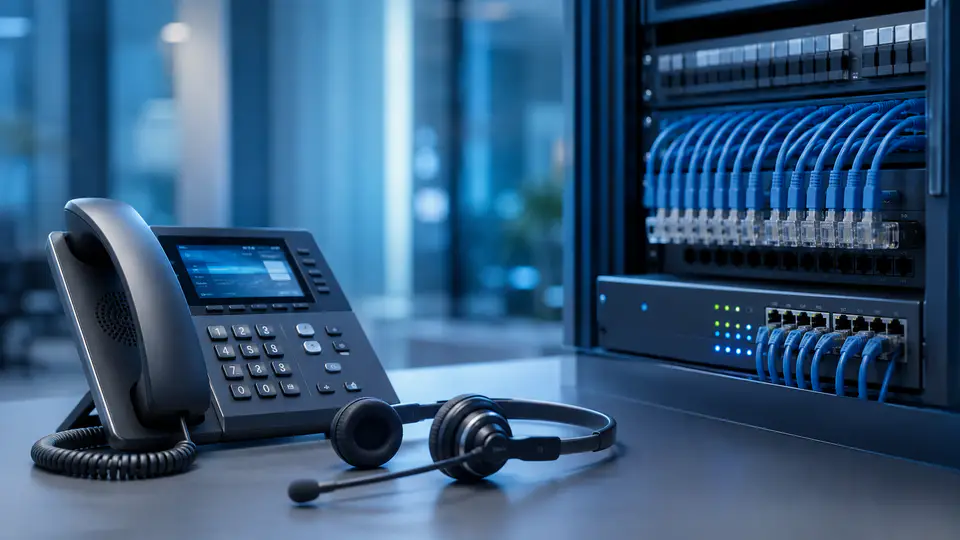
Read PostCall quality problems are often caused by cabling, PoE, switching, or traffic design rather than the phone application itself.
Read PostA practical network-segmentation model for separating users, guests, voice, security devices, and management traffic without creating unnecessary complexity.
Read PostField service asset tracking works when inventory records match physical handoffs, job requirements, maintenance status, and technician workflows.
Read PostYour privacy
We count anonymous traffic using an aggregate, cookieless counter that stores no visitor record. With permission, we also measure safe link clicks, active viewing time, and approximate city/state. We never capture form contents, typed text, or precise location.
Read our privacy notice